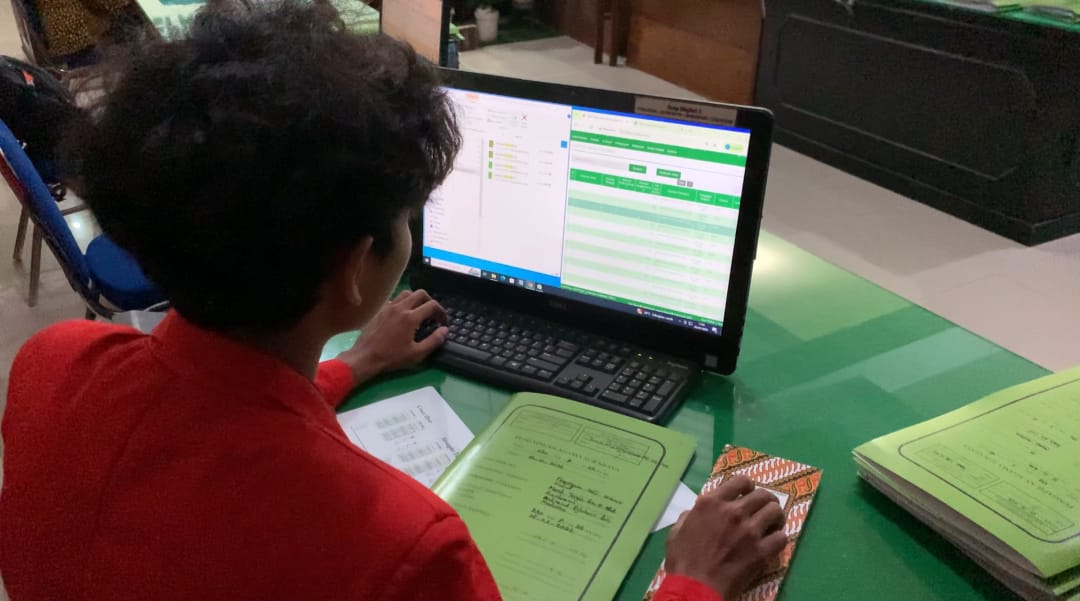

 In an increasingly globalized world where national borders are blurred, English has become an essential bridge connecting business, technology, education, and various other sectors. Mastery of this language is a fundamental necessity in the workplace, both in local and international companies. Data and facts indicate that individuals who possess English language skills tend to be more competitive and have broader career opportunities compared to those who do not. Here are several reasons why English is important in the workplace, supported by data and facts.
Firstly, English is an international and business language. English is recognized as the international language used across various fields, especially in the business sector. Approximately 1.5 billion people worldwide speak English, and 75% of official international correspondence is written in English (British Council, 2020). According to the English Proficiency Index (EPI) report by EF Education First in 2023, Indonesia ranks 81st out of 111 countries in terms of English language proficiency, with a "low" score compared to other ASEAN countries. This indicates an urgent need for the workforce in Indonesia to enhance their English skills to compete in the global market (EF Education First, 2023). Additionally, a study by the British Council found that 49% of multinational companies worldwide use English as their official language, even in non-English-speaking countries (British Council, 2021). This shows that English language proficiency is a crucial skill for those working in companies with international scopes.
Secondly, English as a tool to expand networks and career opportunities. English proficiency helps individuals expand their networks and career opportunities. According to LinkedIn, approximately 55% of professionals worldwide use English on their profiles, indicating that English is an essential communication tool in professional networking (LinkedIn, 2021). In the context of multinational companies, staff who are proficient in English have a greater chance of being included in cross-border projects. A survey by Harvard Business Review also found that 70% of international companies consider their employees' English language skills to be an important factor in recruitment and career development (Harvard Business Review, 2019).
Thirdly, English supports professional skill development. Proficiency in English also allows professionals to access a broader range of information, most of which is available in English. According to a UNESCO report, approximately 80% of academic publications and research journals worldwide are written in English (UNESCO, 2021). Moreover, many online courses from global educational platforms like Coursera, Udacity, and edX use English as the medium of instruction. This makes English an important tool for workers who wish to continuously enhance their knowledge and skills in rapidly evolving fields such as information technology, business management, and science.
Fourthly, English Increasing Competitiveness in the Job Market, data shows that companies in Indonesia tend to prioritize candidates who are proficient in English. According to a JobStreet survey in 2022, about 69% of companies in Indonesia list English proficiency as one of the job requirements, especially for positions that require communication with foreign clients or partners (JobStreet, 2022). Additionally, a report by the Asian Development Bank (ADB) in 2021 stated that individuals with good English skills in Southeast Asia earn 30-50% more than those who do not possess such skills, indicating that English not only enhances job opportunities but also potential earnings (Asian Development Bank, 2021).
Lastly, facilitating communication with international clients and business partners proficiency in English is very helpful in building good relationships with international clients and business partners. Data from McKinsey shows that companies capable of effectively communicating with international clients in English experience more stable business growth compared to those facing language barriers (McKinsey & Company, 2020). In Indonesia, companies in the export-import, tourism, and e-commerce sectors heavily rely on their employees' English proficiency to establish successful business relationships. For example, Indonesia's tourism sector recorded 15.8 million foreign tourist visits in 2019, and the ability to communicate in English is crucial for serving these tourists (Badan Pusat Statistik, 2020).
In conclusion Mastering English has proven to be an essential skill that significantly influences an individual's competitiveness in the workplace. It not only opens up more career opportunities but also provides broader access to knowledge and resources relevant to industry developments. In an increasingly interconnected global work environment, English enables individuals to adapt more quickly to changes, access the latest information, and build productive professional relationships with colleagues from various countries. Therefore, English language proficiency is no longer a choice but a critical requirement for those who wish to succeed and remain competitive in the modern workplace.